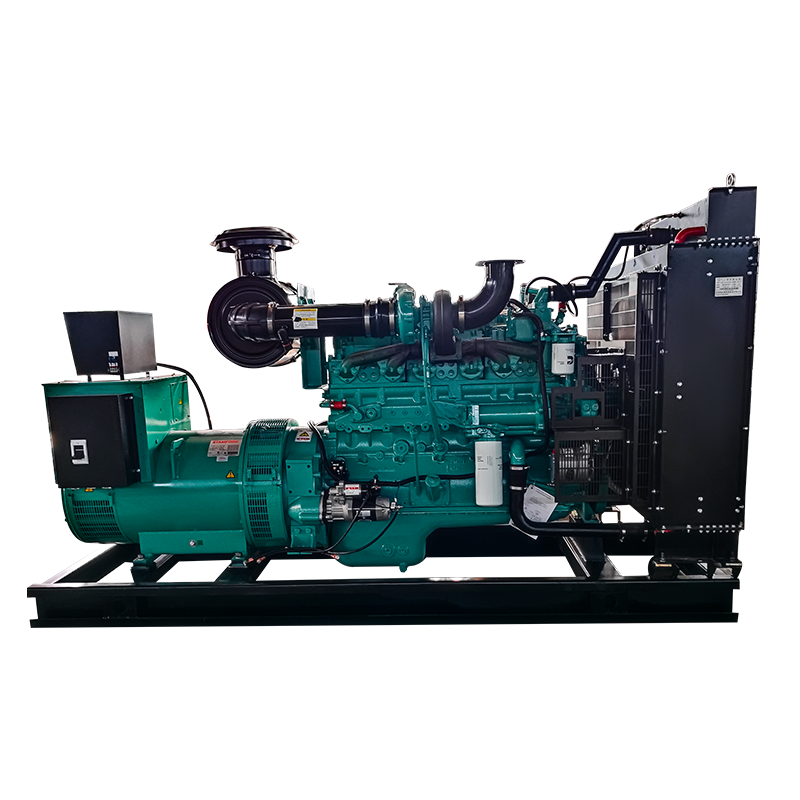
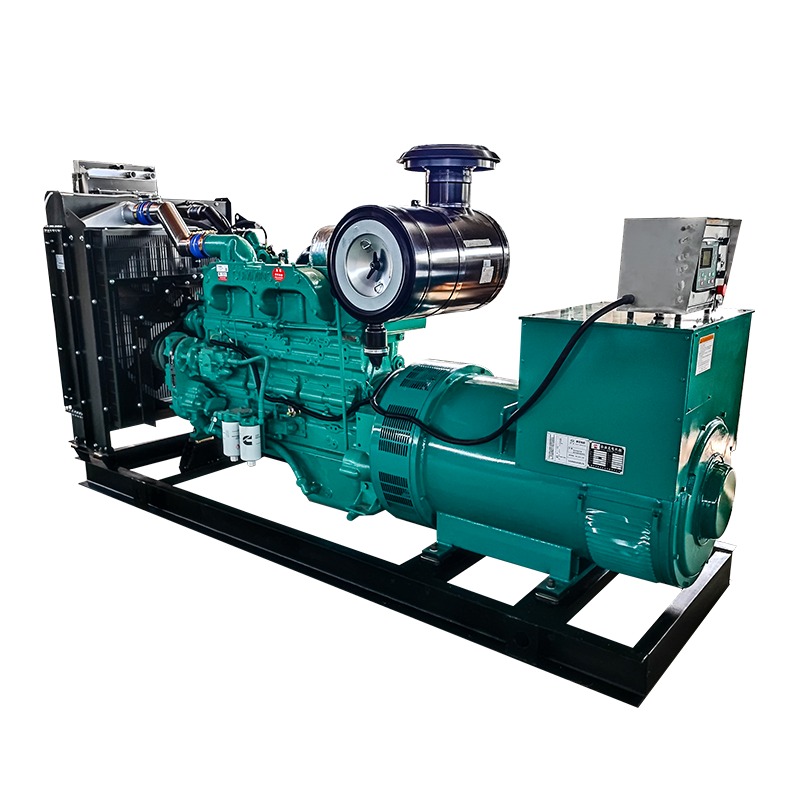
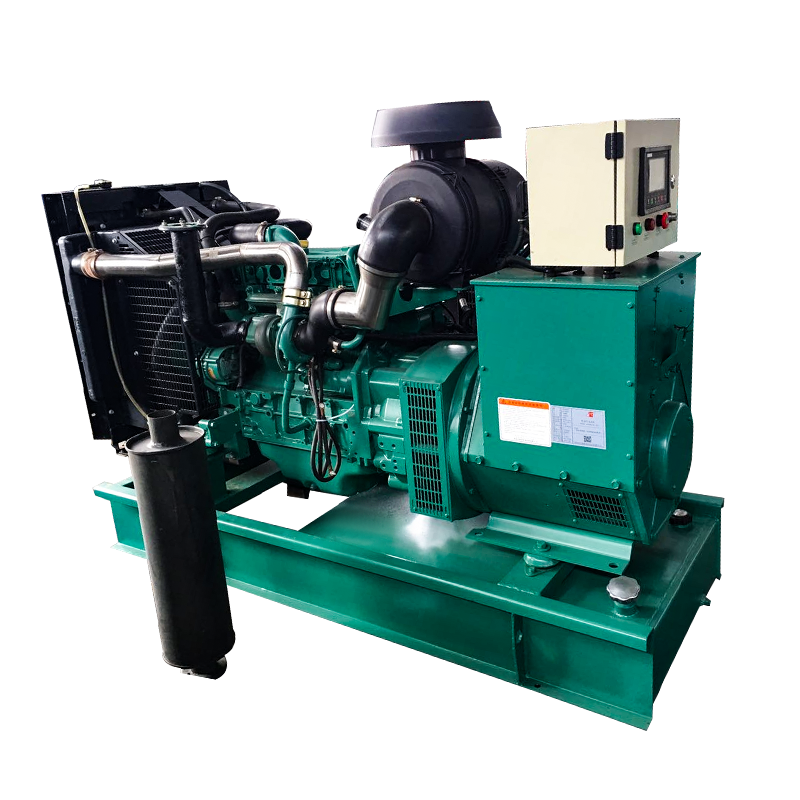
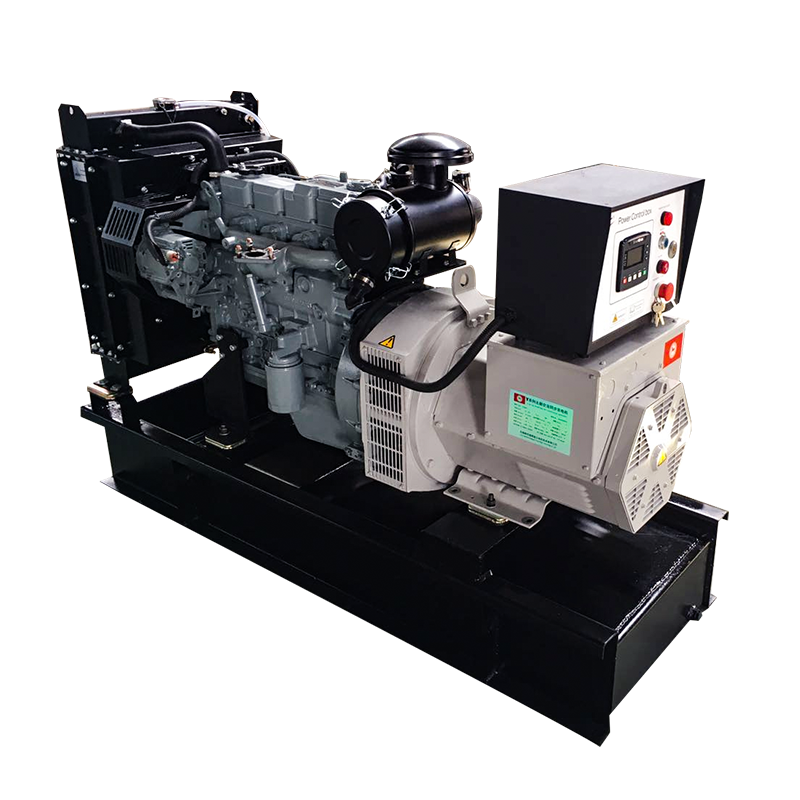
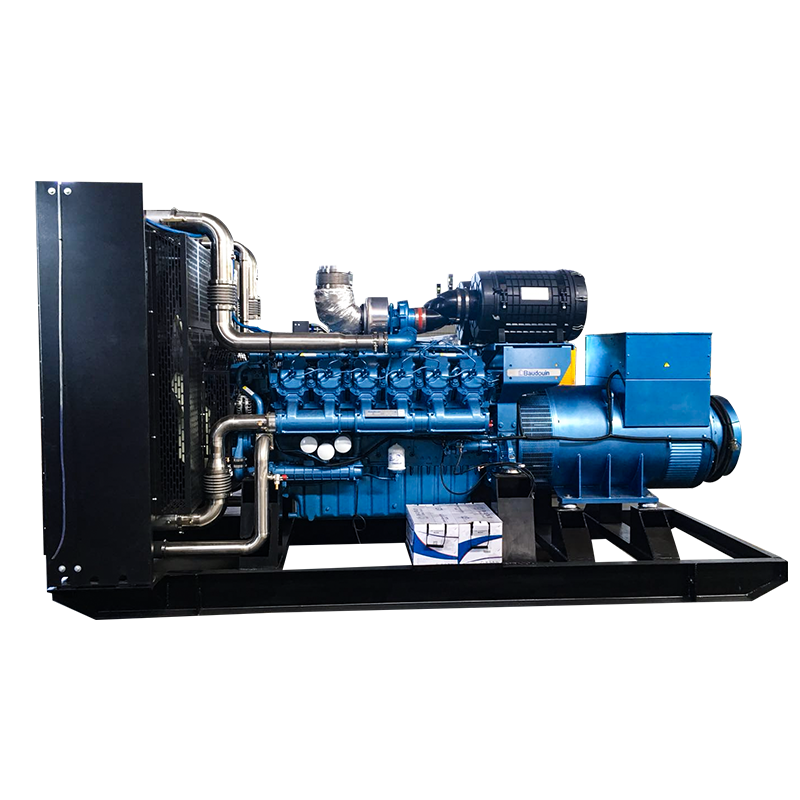
260 kW Cummins dieselgenerator: spesifikasjoner, bruksområder og kjøpsveiledning
2026-09-04
Når en innkjøpsansvarlig ser "260kW backup sett" på en prosjektliste, er det første spørsmålet vanligvis om en 325kVA enhet kan håndtere alt som starter på en gang. Svaret er "det kommer an på", og det avhenger av startstrøm, effektfaktor og om settet brukes til standby eller primærstrøm.
Her er bunnlinjen: et 260 kW Cummins dieselgeneratorsett er et modent, pålitelig valg for de fleste industrielle og kommersielle bruksområder, men du må skille mellom standby- og prime-klassifiseringer og verifisere motorens startbelastninger. Denne artikkelen dekker tekniske spesifikasjoner, applikasjonstilpasning, konfigurasjon og akseptkontroller, slik at du kan bestemme om et 260kW Cummins-sett passer til prosjektet ditt.
Hva en 260kW Cummins dieselgenerator faktisk leverer
260kW er akseleffekt, ikke tilsynelatende effekt. Ved vanlig effektfaktor på 0,8 tilsvarer 260kW 325kVA. Dette forholdet bestemmer kabel-, bryter- og ATS-størrelsen. Tabellen nedenfor viser typiske parametere for et 260kW Chongqing Cummins-sett i en standardkonfigurasjon.
Tabell 1: Typiske parametere for et 260kW Chongqing Cummins generatorsett (veiledende verdier; bekreft med navneskilt)
Vare
Typisk verdi
Notater
Merkeeffekt (kW)
260 kW
Prime eller standby-vurdering må bekreftes
Tilsynelatende effekt (kVA)
325 kVA
Ved effektfaktor 0,8
Motor
Chongqing Cummins NTA855-serien
6-sylindret firesyklus
Generator
Stamford/Marathon børsteløs
AVR spenningsregulering
Spenning / Frekvens
400V/50Hz eller 480V/60Hz
Avhenger av prosjekt
Drivstofforbruk ved 100 % last
Ca 65 l/t
Dieseltetthet 0,835 kg/L
Hovedforskjellen her er standby versus prime rating. Hvis det står "Standby" på navneskiltet, kan settet bare kjøre på den belastningen i korte perioder. Hvis det står «Prime», er kontinuerlig kjøring med den belastningen tillatt. Mange spesifikasjonsfeil oppstår når en standby-vurdering behandles som en førsteklasses vurdering.
Hvor denne vurderingen passer inn i virkelige operasjoner
Denne vurderingen er vanlig fordi den sitter i utkanten av de fleste små til mellomstore anlegg: ikke stor nok til å kreve en dedikert strømforsyning, men likevel stor nok til å drive et helt produksjonstrinn eller kritisk system. Typiske bruksområder inkluderer datasentre, matbehandling, sikkerhetskopiering av sykehus, kommunal pumping og kommersielle bygninger.
Når du vurderer et 260kW Cummins-sett for en spesifikk bransje, sjekk den største startenheten først. Kompressorer og pumper kan trekke fire til seks ganger fulllaststrømmen under oppstart. Hvis de starter sammen, kan det transiente spenningsfallet overskride grensene. For mer om bransjetilpasning, se hvilke bransjer passer Cummins dieselgeneratorsett .
Dimensjoneringsfeil som fører til kostbare turer
Den vanligste dimensjoneringsfeilen er ikke "for lite strøm", men å ignorere spenningsfallet under start og reduksjonen som skjer ved høyere omgivelsestemperaturer. For eksempel kan et 260kW-sett som kjører normalt med nominell belastning bare levere 92 % av ytelsen ved 40°C. Hvis maskinrommet har dårlig ventilasjon, synker den brukbare kontinuerlige kapasiteten ytterligere.
Suggested capacity check
List opp alle motorklassifiseringer og merk den største motorens startmetode.
Estimer minimum nødvendig kVA ved å bruke "største motorstartstrøm pluss alle andre kjørebelastninger."
Bruk høyde- og temperaturkorreksjon: over 1000m, utgang reduseres vanligvis 3% til 4% per 500m.
Sammenlign den korrigerte etterspørselen med den primære effekten, ikke standby-vurderingen.
Referansekapasitetsfaktorer for ulike startmetoder er vist nedenfor.
Tabell 2: Referansekapasitetsfaktorer for motorstartmetoder
Starting Method
Starter gjeldende multiplikator
Foreslått kapasitetsmargin
Direkte på nettet (DOL)
6–8 ganger
1.8–2.5 times
Stjerne-delta
3–4 times
1.5–1.8 times
Soft starter
2–3 times
1.3–1.5 times
Variable frequency drive
1–1.5 times
1,2–1,3 ganger
Disse tallene er ikke eksakte tekniske verdier. De er ment for tidlig prosjektvisning. Hvis den største motoren overstiger 30kW, bekreft tillatt transientspenning og frekvensavvik direkte med produsenten.
Slik konfigurerer du settet rundt lastprofilen din
Et 260kW Cummins dieselgeneratorsett er mer enn motor pluss dynamo. Når enheten ankommer, må du fortsatt bestemme kontrollertype, automatisk overføringsbryter, tankkapasitet, lyddemperkvalitet og kjølesystemlayout.
Key configuration items
Kontroller: AMF auto-start/stopp eller manuell parallellstyring. For sikkerhetskopiering, velg en med nettføling og automatisk overføringslogikk.
ATS: For flere lastgrupper, foretrekk et ATS-skap med to kilder med en vedlikeholdsforløp.
Base tank: Standard 8-timers tank er vanlig, men kontinuerlig bruk krever vanligvis 24 timer eller mer.
Silencer: Bolig- eller kommersielle prosjekter krever lyddempere av industri- eller sykehuskvalitet, som kan redusere støy med 10 til 15 dB(A).
Avkjøling: Standard radiator passer utendørs eller godt ventilerte rom; nettsteder med begrenset plass kan velge en ekstern radiator.
Hvis du forventer lastvekst utover 300kW, bør du vurdere å flytte til et 360kW-sett i stedet for å legge til en parallellmodul senere. Det alternativet gir ekstra margin under utvidelse.
Motorvolum, boring og slag og B10-levetid varierer mellom modellene, så prisene varierer. Når du sammenligner tilbud, inkluderer vedlikeholdskostnader over garantiperioden, ikke bare kjøpesummen.
Sjekkliste for innkjøp og aksept
Etter levering bør aksept fokusere på fire områder: utseende, elektriske parametere, driftsytelse og dokumentasjon.
Tabell 3: Sjekkliste for aksept for et 260kW Cummins generatorsett
Sjekk element
Acceptance Standard
Utseende og beskyttelse
Ingen støtskader, ingen åpenbar korrosjon, terminalene sikre
Isolasjonsmotstand
Vikle-til-jord minst 2 MΩ ved 500V megger
Ikke-last spenning
400V ±2 %, frekvens 50Hz ±0,5Hz
Temperaturøkning under belastning
Vikletemperaturøkning innenfor produsentens grense
Hvis kontrakten inkluderer en lasttest, kjør settet med 100 % standby-belastning i én time og overvåk spenning, strøm, frekvens og oljetemperatur. Løs eventuelle uregelmessigheter før igangkjøring.
Hva vedlikehold egentlig koster over tid
Livssykluskostnaden inkluderer vanligvis drivstoff, olje, filtre og arbeidskraft. For en 260kW satt til 70 % belastning i fire timer per dag, er drivstofforbruket omtrent 48L/t, og den månedlige drivstoffregningen alene kan være betydelig.
Serviceintervaller måles i driftstimer: olje og oljefilter hver 250. time, luftfilter og kjølevæskesjekk hver 500. time, ventilklaring og kjølevæskeskift hver 2000. time. Disse tidsplanene bør bekreftes med produsenten for din spesifikke dynamo- og motorkombinasjon.
Ofte stilte spørsmål
Hva er forskjellen mellom 260kW og 325kVA?
260kW er aktiv effekt, 325kVA er tilsynelatende effekt. Forholdet mellom dem er effektfaktoren, vanligvis 0,8. Kabler, brytere og motorkapasitet er vurdert i kVA eller kW, så ikke bland de to.
Kan dette settet kjøre parallelt med et annet?
Ja. Med en parallellkontroller og synkroniseringsbeskyttelse kan to 260kW-enheter dele belastningen og gi redundans.
Hvilken tankstørrelse trenger jeg?
En standard grunntank tåler ca. 8 timers full belastning. Hvis det er vanskelig å fylle drivstoff på stedet, øk tankstørrelsen til 24 timer eller mer.
Hvor stillegående er denne enheten?
Et standardsett er omtrent 85 til 90 dB(A) på en meter. En industriell lyddemper bringer den til omtrent 75 dB(A), og en lukket baldakin kan redusere støy til rundt 65 dB(A) eller lavere.
Et 260 kW Cummins dieselgeneratorsett er et kostnadseffektivt "sweet spot" for backup og primerkraft i mange industrielle applikasjoner. Hvorvidt den yter pålitelig avhenger mindre av merket og mer av lastverifisering, konfigurasjonsvalg og vedlikeholdsdisiplin. Bekreft driftsmodus, beregn startstrøm og inspiser innkommende utstyr mot en akseptsjekkliste. Det er slik du får et 260kW Cummins-sett til å jobbe hardt når det gjelder.
Motoren er sjelden grunnen til at en Weichai dieselgenerator mislykkes i sin godkjenningstest. I de fleste feilrapportene vi gjennomgår, er årsaken en av tre spesifikasjonsfeil: lasten ble målt i kVA, men bestilt i kW, dynamoen ble matchet til motorens standby-tall i stedet...
Et 400 kW generatorsett som er bestilt på standby-klassifisering, deretter bedt om å utføre et fullt produksjonsskift, sender vanligvis en kjølevæsketemperaturalarm innen tre uker. Feilen gjentar seg hvert år, og årsaken er nesten alltid den samme: utvelgelsessekvensen ble ...
Et tilbud lander på skrivebordet ditt for et 250 kW standby-sett: Perkins-motor, en generator av navn, en 24-timers basetank, en digital kontroller. Motormerket er linjen alle leser først, og det er også linjen som forteller deg minst om hvorvidt settet faktisk vil bære byg...